
A scene can look finished and still create problems later in production.
Over time I learned that many issues don’t appear in the render itself, but during handoff, updates or integration into a pipeline. Before calling a scene final, I go through a production-focused review process designed to reduce those risks.
What “Final” Really Means in Production
In production, final doesn’t simply mean that a scene looks good. It means the scene is stable, organized, optimized and ready to be used by the next stage of the pipeline without creating unnecessary problems.
Many issues only appear later, when assets are reused, updated or handed to other artists. That’s why final review is as much a technical responsibility as an artistic one.
My Scene Final Checklist (Production-Oriented)
This is the core of my review process. It is mainly about reducing risk for whatever comes next.
Scene & Transform Hygiene: Before anything else, I make sure the scene itself is clean.
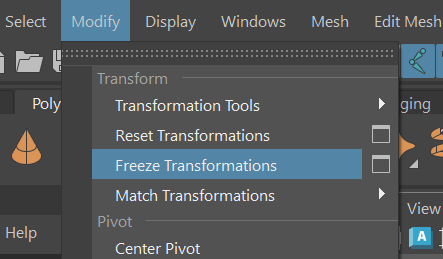
- Assets are centered and frozen (0,0,0)
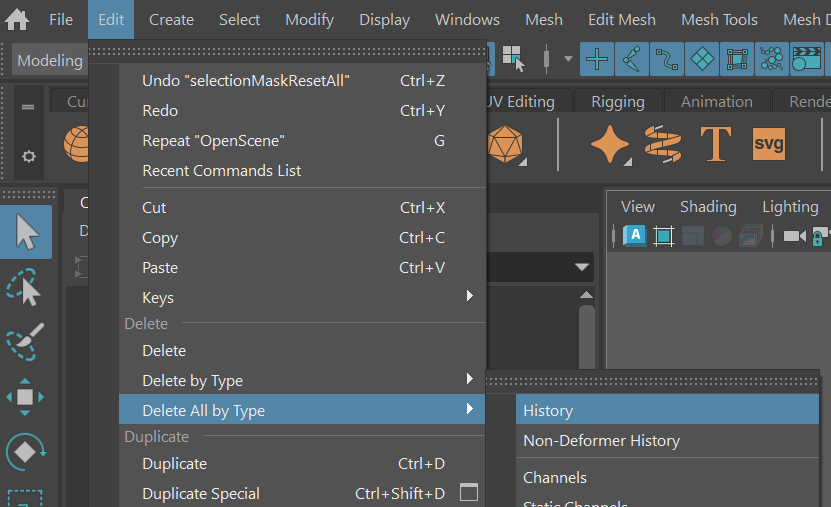
- Construction history is deleted
- There isn´t any unnecessary transforms or leftover data
Geometry & Topology Integrity: Even if geometry looks fine in the viewport, I always double-check it.
- No ngons or non-planar faces
- Clean topology appropriate to the asset
- No duplicated or hidden geometry
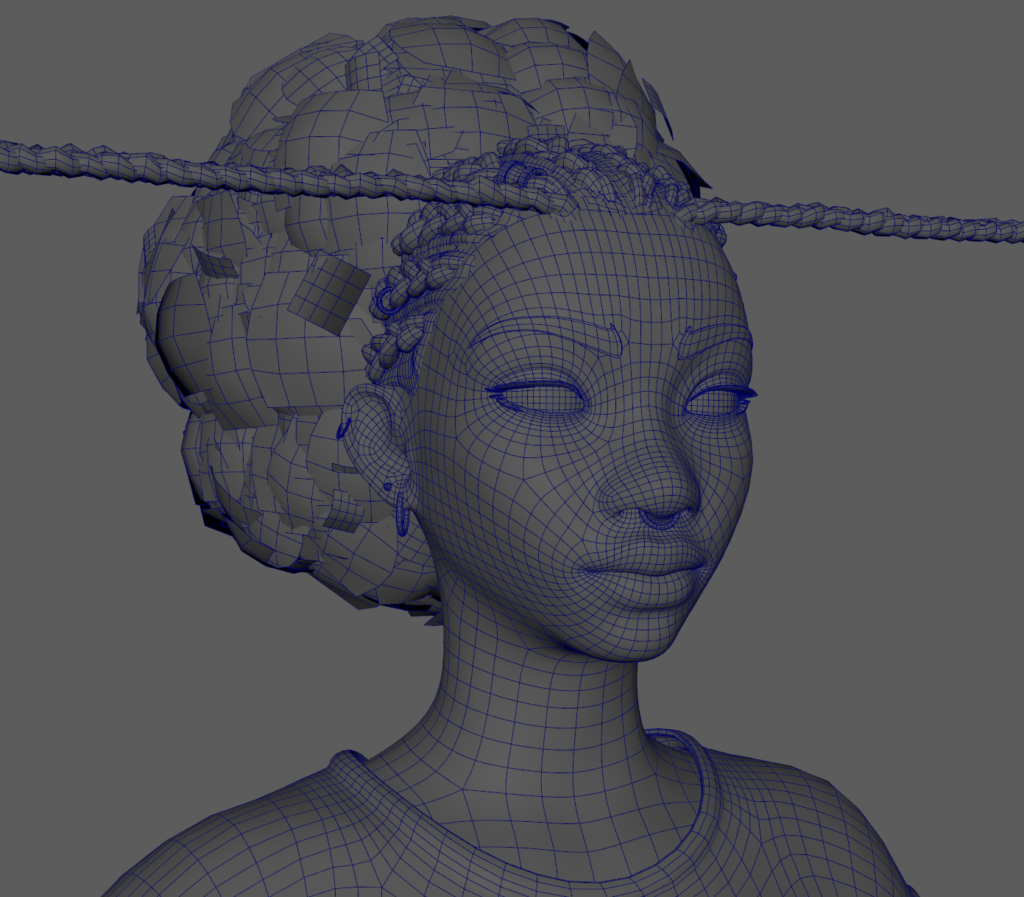
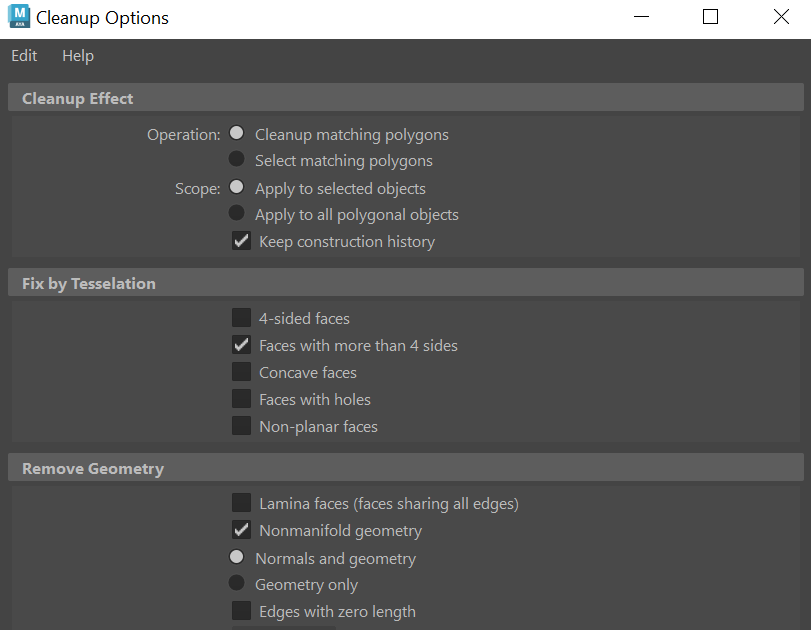
These checks help prevent problems during rigging, animation, or rendering.
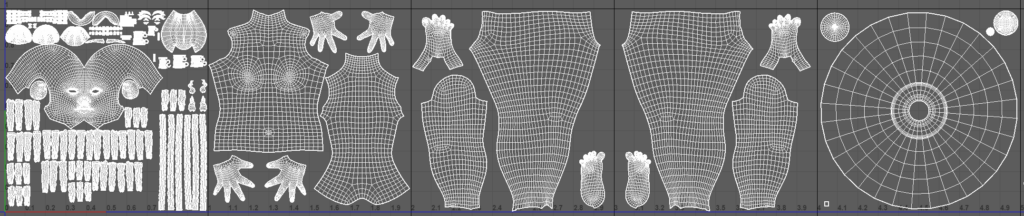
UVs & Texture Readiness: UVs are a critical part of my final review, especially because they directly affect lookdev and texturing.
I check that:
- UVs are properly unfolded with minimal distortion
- UDIMs are used when needed, depending on asset requirements
- Texel density is consistent
- Shells are well oriented and logically organized
- There is no overlapping unless it’s a conscious, justified decision
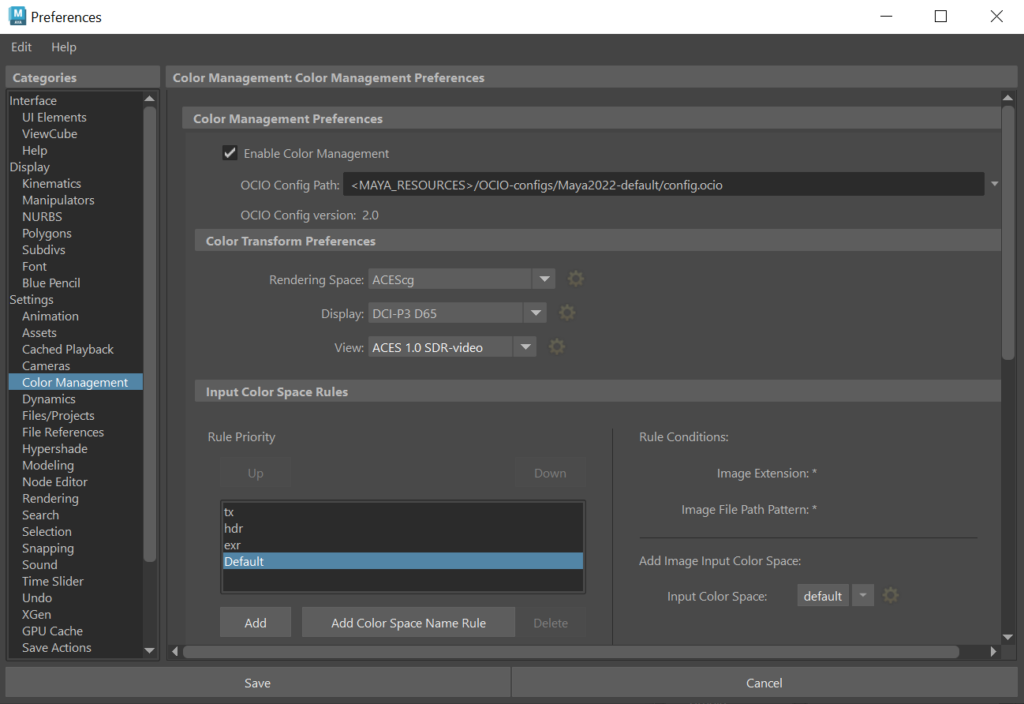
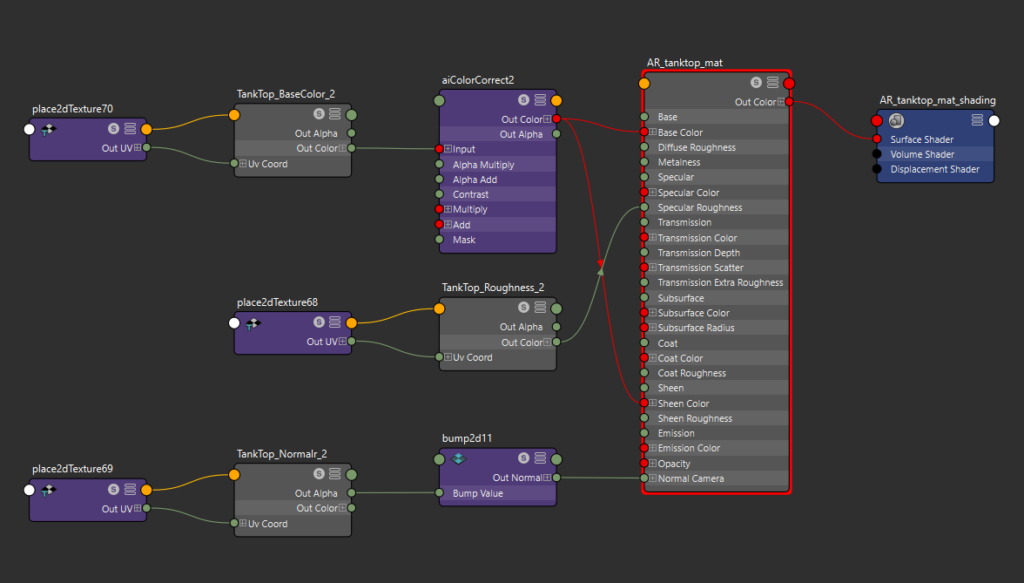
Materials, Color Space & Lookdev Sanity: Before delivery, I always review the lookdev setup.
- Correct color space is used for textures
- Materials are properly assigned
- Any test materials are removed
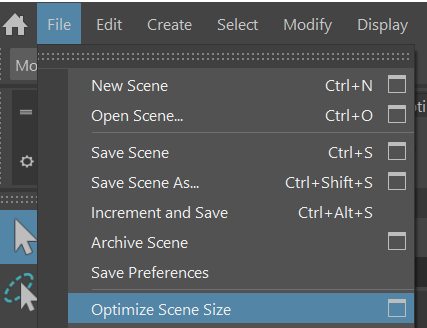
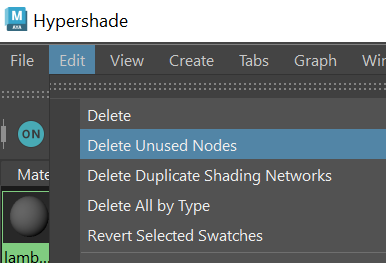
Scene Optimization & Cleanup: Finally, I optimize the scene so only what’s necessary remains.
- Unused materials, nodes, and namespaces are removed
- No unnecessary plugins or connections remain
- The scene is as lightweight and readable as possible
Why This Matters for the Team
These checks help scenes move smoothly through production. A clean and organized file reduces technical issues, speeds up iteration and allows other artists to continue the work without unnecessary friction.
A scene is truly final when it behaves reliably inside the pipeline, not only when it looks good in a render.
What Other Artists Can Apply From This
One of the most useful habits I learned early on was to treat every scene as something that will eventually be opened, modified and reviewed by someone else.
Thinking beyond the immediate render helps build cleaner files, more scalable workflows and stronger production habits.
A Final Thought
In production, a scene is only finished when it’s ready for what comes next.
Technical organization, clear structure and reliable delivery are just as important as the final image itself. You can see how it’s applied in practice across the work shared in my portfolio.


